
Why Choose Historic Event Locations?
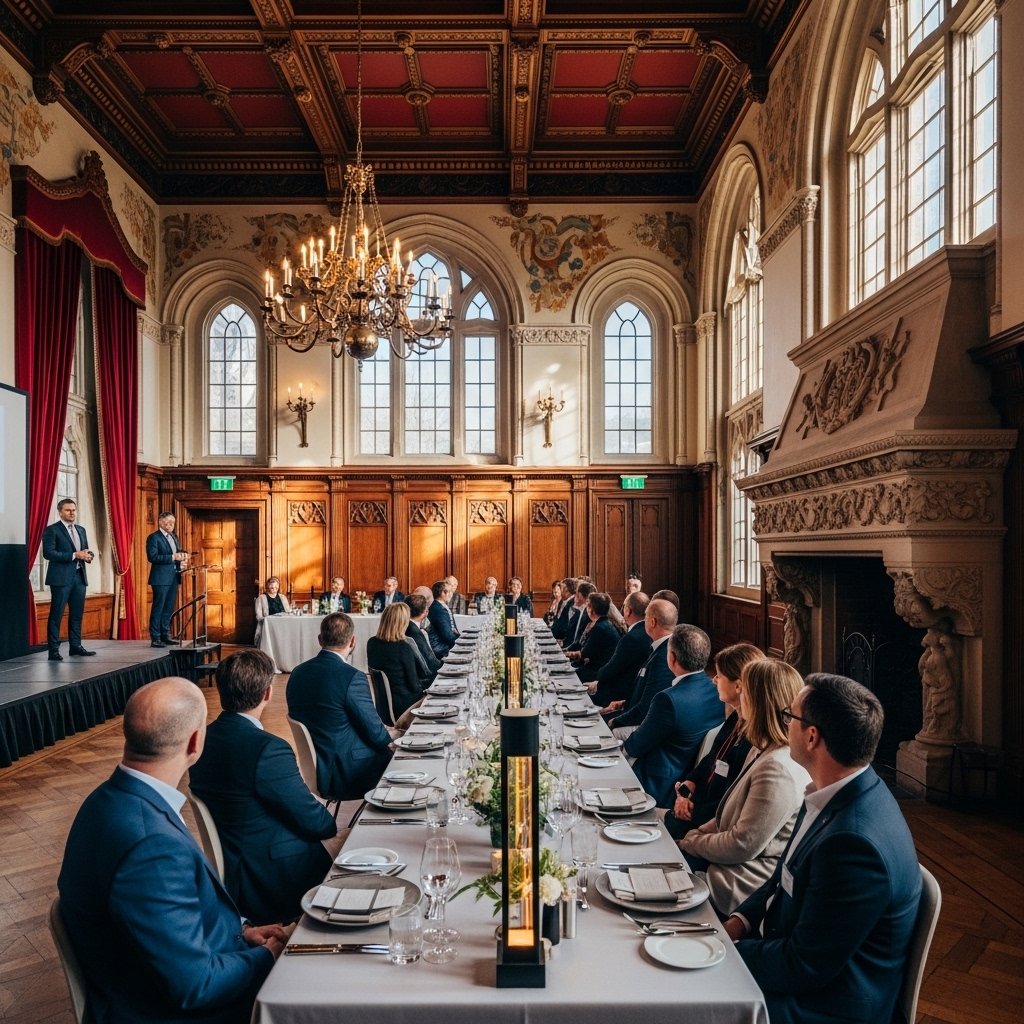
Historic event locations carry a charisma that modern spaces rarely match. At Lumen Events, we see clients drawn to these venues time and time again, especially when their event calls for something truly memorable. A historic setting can elevate a corporate gala or milestone celebration into a once-in-a-lifetime experience guests won’t forget.
For planners, historic event locations present a unique blend of charm and character. Unlike conventional venues, they often offer incredible architectural features, lush grounds, and a storied past that becomes part of your event’s own story. Whether it’s a 19th-century palace or a lovingly restored industrial warehouse, these sites spark conversation and inspire creativity. We’ve often found they encourage guests to socialize and explore because every corner hides a detail or artifact with a tale to tell.
Practical Advantages of Historic Venues
It’s not just about ambience. In addition, many historic sites are centrally located or set in spectacular surroundings—old town squares, riversides, or scenic hillsides. Many venues have been carefully upgraded with modern amenities while preserving their historic fabric. This balance offers event planners flexibility and peace of mind. For example, a corporate dinner at a renovated castle combines state-of-the-art AV and Wi-Fi with the grandeur of vaulted halls and candlelit courtyards.
Considerations When Booking Historic Event Locations
There are, however, practical questions to ask before committing. Accessibility can sometimes be a concern—not all sites have elevators or ramps, and preservation rules may limit the type of decor or lighting you can introduce. At Lumen Events, we always conduct an early site inspection with our clients. We review issues like parking, restroom capacity, and preferred caterers; we also check sound regulations, as historic districts may have noise limits. If your program involves elaborate stage setups or heavy equipment, a recently restored industrial warehouse might be a safer choice than a centuries-old manor with fragile floors.
Making the Most of the Venue’s Story
The biggest advantage historic event locations offer is their story. In my experience, guests love when the event design incorporates elements unique to the venue. For instance, we might design a menu inspired by dishes from the era the building was constructed. Or, we might create a custom tour or presentation about the site’s most captivating episodes, with costumed guides bringing the past to life between dinner courses. Storytelling can also extend to invitations and branded materials, anchoring your celebration in a genuine sense of place.
Finding and Selecting a Historic Event Space
Locating the right site can require some detective work, especially for less obvious treasures. It’s often worth browsing official heritage registers or working with local tourism offices—they usually know the hidden gems that don’t appear on event marketplace listings. For inspiration and a sense of standards, the National Trust for Historic Preservation’s website (National Trust for Historic Preservation) is an excellent starting point. Don’t hesitate to ask venues about past successful events of a similar size or format—they’ll have an idea of what works well and potential challenges to anticipate.
Memorable Experiences at Historic Event Locations
Over the years, I’ve seen the magic of historic spaces in action. At a product launch set in an Art Nouveau villa, guests mingled beneath stained glass ceilings, and the setting itself was a talking point as much as the new collection. For a leadership summit, a former monastery offered tranquil gardens for reflection between sessions, a stark contrast to the buzz of the keynote hall. And, at a high-profile gala in a war-era town hall, the organizers used original archive photos in their event décor, offering guests a window into the venue’s remarkable history.
Partnering with Venue Teams Who Understand the Setting
The best outcomes come from working closely with on-site staff who know every quirk and restriction of the building. They can speed up logistics, suggest creative layouts, and make sure that preservation requirements are respected without compromising guest experience. A good venue partner is as invested in delivering a seamless event as you are. That partnership is our secret to consistently smooth events in even the most delicate heritage properties.
Conclusion: The Lasting Value of Historic Event Locations
When clients ask me if the extra effort is worth it, I always say that historic event locations create an atmosphere that can never be imitated in a new-build space. Yes, it requires extra planning and close collaboration, but the payoff—a celebration stitched into the fabric of history—is more than worth it.