
The Foundation of wedding timeline planning
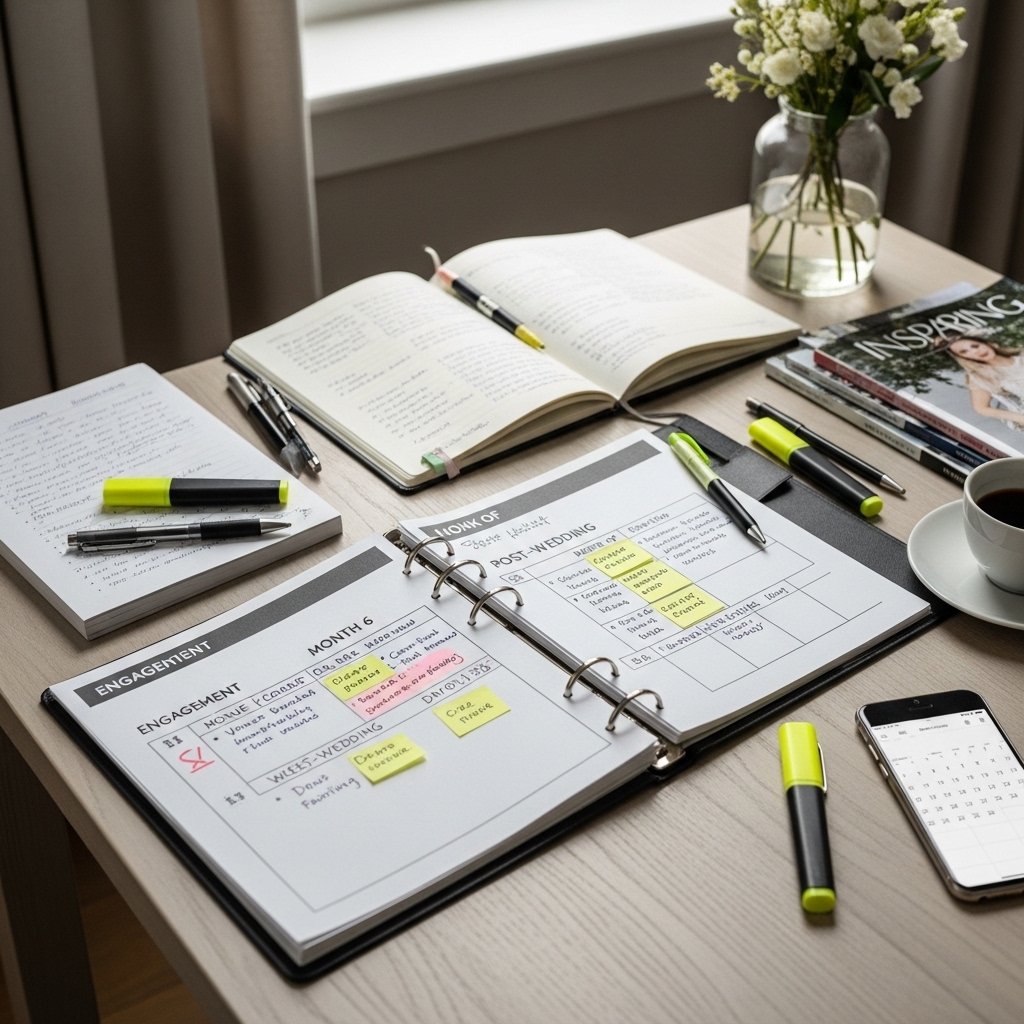
Wedding timeline planning is a blend of art, intuition and well-worn experience—especially if you want your celebration to feel seamless, not scheduled. After years managing myriad ceremonies for Lumen Events, I’ve found every couple’s dream day is kept on track by a personalized, practical timeline. So instead of cookie-cutter agendas, let’s walk through how a well-constructed wedding timeline can hold the day together—without anyone feeling rushed or lost.
At its heart, planning is about sequencing every detail so that everything—hair and makeup, photos, the meal, the toasts, and all the unrepeatable moments—happens naturally and every guest (including the couple) can be fully present. Unlike corporate events or product launches, weddings are deeply personal, and each minute will matter long after the music fades. That’s why it’s crucial to start with the couple’s real priorities. Some want a long, relaxed cocktail hour; others prefer a sunlight-drenched ceremony. These preferences shape the entire timeline.
Breaking Down the Day: Key Moments and Flow — wedding timeline planning
Typical planning begins by anchoring the main events: ceremony, dinner, and party. For example, if sunset photos are non-negotiable, the ceremony naturally needs to finish beforehand. We then layer in all the must-have elements: the first look, transportation, group photos, vendor arrivals, even the tiniest prep details. Our advice: work backward from the ceremony and forward from guest arrival. This prevents impossible overlaps and buffers in breathing room—for you, family, and, yes, the inevitable late uncle.
Unique Features of Wedding Timelines — wedding timeline planning
Weddings are uniquely sensitive to emotion and energy. That’s what makes planning distinct from other event schedules. For instance, we often recommend earlier photography sessions so the bridal party isn’t rushed; similarly, the meal should flow into speeches when people are happiest, not hangry. Over the years, we’ve learned to quietly build in “lost time”—a 10-minute grace between the ceremony and photos, or an extra lull before cake-cutting—to minimize stress if the vows run long, or if someone can’t find their shoes. This flexibility comes with experience and can save the mood of the day.
Real-World Example: An Elegant City Wedding — wedding timeline planning
Consider a recent downtown wedding we produced: the couple dreamt of an urban sunset backdrop. We built the timeline around the golden hour, scheduling the ceremony to end 15 minutes before the sun set behind the skyline. Meanwhile, hair and makeup began earlier than usual to avoid any last-minute sprints. The photographer set aside private moments for the couple immediately after “I do” before family photos even began. Dinner started as dusk set in, perfectly synchronizing speeches with candlelight. By thinking through pacing, transitions, and light, every event felt intentional yet never rigid.
Tips from Experience: How to Keep Things Moving
- Buffer is your best friend. If hair and makeup always “take one hour,” plan for 90 minutes. It’s easier to relax and sip coffee than to make up lost time.
- Communicate the timeline early with all vendors and wedding party members. Share a simple sheet—no jargon, just who needs to be where and when. This avoids confusion or panic on the day.
- Appoint a “wrangler” (aside from your planner): someone who knows the family and isn’t afraid to call for mom before the group photo. Personal touches make a big difference.
- Account for travel between locations, especially in busy cities. What looks like a ten-minute drive on paper may take triple if there’s a marathon in town. I always double-check dates for such potential snags.
- Trust your experts. Whether it’s your planner, photographer or caterer, ask them for realistic estimates. For more practical examples, the Brides Magazine breakdown offers a helpful perspective on typical timelines.
Customizing your wedding timeline: The Lumen Events Approach
At Lumen Events, we rarely produce two identical timelines, even for similar-sized weddings. Each timeline is built collaboratively. We start with a framework based on preference and venue constraints (historic sites, for example, may have strict open hours). Then we shape it further through conversations: does the couple want private vows, or all-on-display? Are they open to seeing guests before the ceremony, or is that a hard no? By focusing on these details, the planning evolves into a living document—one which can pivot up until the very last week, calmly absorbing the little curveballs every event brings.
When Things Go Off-Script: Staying Calm and Flexible
No matter how beautifully designed, no timeline survives first contact with real life unscathed. Sometimes, weather or transportation hiccups mean adjusting on the fly. The best laid plans remain flexible: remember, the guests’ experience of joy comes largely from the sense of flow, not strict punctuality. By building those buffers—mentally and on paper—you can pivot with grace. And, when working with an experienced team, nearly every bump can be turned into a moment of charm or laughter rather than stress. That’s the core artistry of planning.
Conclusion: Making Timelines Work for Your Memories
Wedding timeline planning isn’t about keeping a stopwatch—it’s about protecting space for true moments. With practical thought, warmth and the right preparations, you’ll remember the flow of the day as effortless, not orchestrated. For couples stepping into this kind of planning, trust your people, stay flexible, and remember: a great wedding timeline is the quiet hero of every unforgettable day.